
 Xcope agent
Real cost per batch
Grapes, barrels, dry goods and labour allocated to each batch, with the cost per bottle closed at bottling.

Your field, cellar and order data joined up, so you know what each batch cost and how fast it is selling.
At a wine producer or a food company, field records, cellar or plant records, lab analyses and the ERP rarely meet. The cost of each batch and the stock available for export end up rebuilt in spreadsheets, nearly always after the season is over.
Plots, tanks, batches and shipments are linked by scattered records. An audit or a complaint from an importer means days of searching.
Grapes, barrels, dry goods and cellar hours sit in different places. The cost of each wine stays at whatever was estimated at the start of the season.
How much of each vintage is left to sell, and how fast it is going, shows up late. Orders from importers and distributors arrive by email and reach the ERP whenever someone keys them in.
How much did each hectare cost us this season?
Which plots should we harvest first this week?
Which plots did the batch in the importer's complaint come from?
Which distributors are ordering below forecast?
How much white do we have available for export this quarter?
AI connects the ERP, field records, cellar records and lab analyses to orders from distributors and importers. With that in place, it closes the cost of each batch and tracks how fast each vintage is selling in each market.
Grapes, barrels, dry goods and labour allocated to each batch, with the cost per bottle closed at bottling.
Questions about a batch answered from the field and cellar records, for an audit or a complaint.
Sales of each wine by market, so you know early whether a vintage will sell through before the next one arrives.
Analysis certificates, appellation seals and export documents gathered by batch, ready for the customs broker.
Illustrative figures.
We connect to the systems you already have, without replacing them, and you decide which data each agent can read.
ERP, CRM, email and documents stay where they are, and nobody has to move to a new system.
Brings together what is scattered today and finds what does not add up.
Every sensitive action goes to whoever has the authority to approve it.
Works inside your team's systems and records where every decision came from.
Rate of sale by vintage and by market comes from the ERP and the orders, so that goes in first. Batch costing and traceability need the field records and the cellar records, which we connect next.
We map the operation and the data and choose what reaches production first.
We build in the tools you already use and put the system to work on real cases.
Your team takes the system over and we choose the next process together.
If the software has an API, that is how we connect. If it does not, we use read‑only access to the database or scheduled exports, which many of these programs already support. Paper records and spreadsheets come in through scanning and automatic reading, with the source of each figure kept.
It helps you prepare for them. Analysis certificates, treatment records, seals and shipping documents are linked to each batch, so an audit or an importer's complaint can be answered with the file already put together. Certification itself stays with the certification body.
It works for any production organised in batches. At an olive mill, the batch is linked to the olive deliveries and the acidity analyses. At a cheese dairy, it is linked to the milk received and the maturing dates.
No. It prepares offers within the price list and the discounts the sales director has authorised, with the stock, rate of sale and margin of each wine in view. No offer goes to a customer without approval.
Book 30 minutes with us and we will see which cellar and ERP data you already have to work it out.
Book a callWrite down the question your operation cannot answer today. We will reply by email with how to get there.
Question received. We will reply by email.
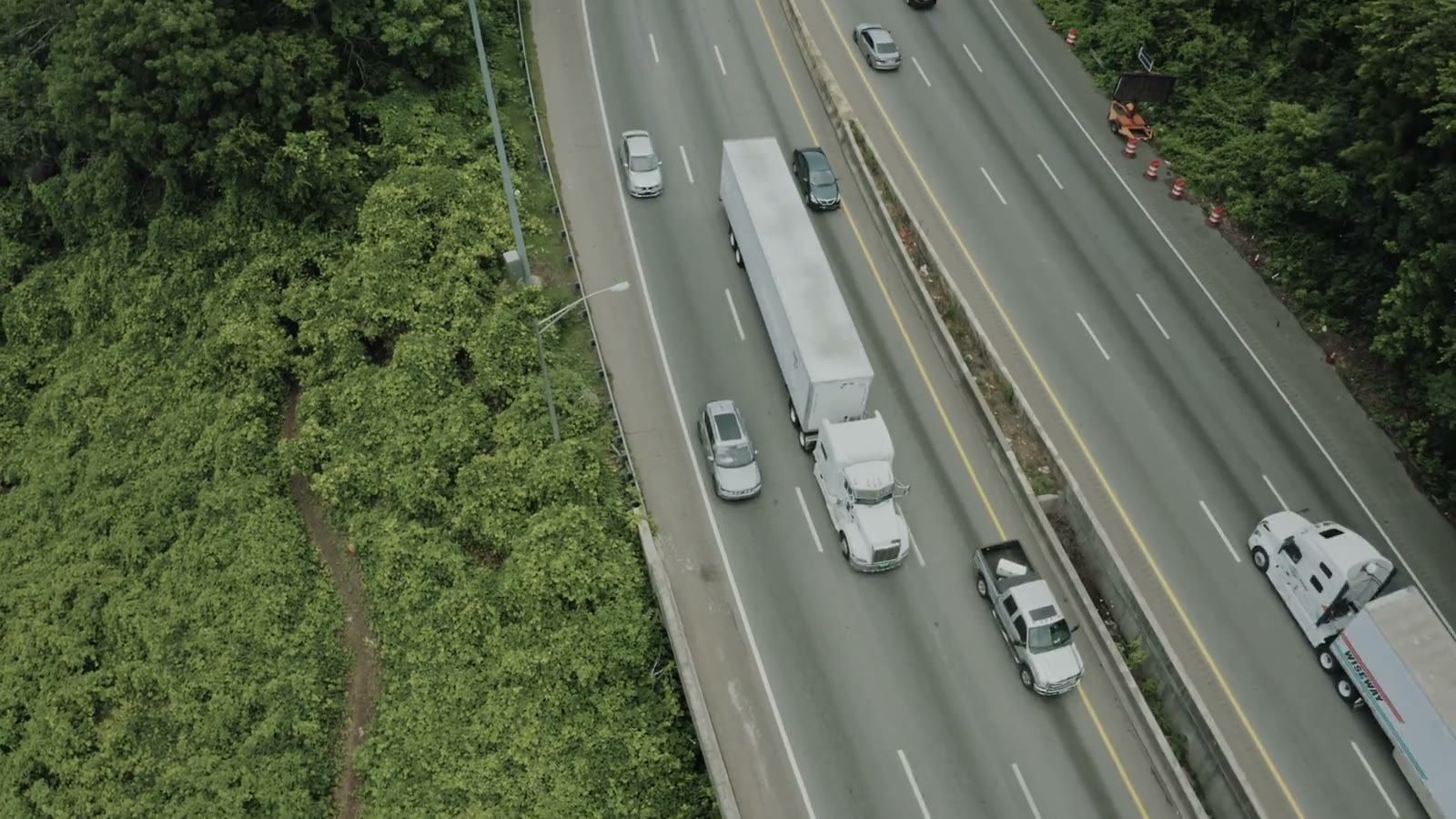
Why did margin on the Porto to Madrid route fall last week?See AI in logistics

Which sites will fall short of schedule tomorrow?See AI in energy
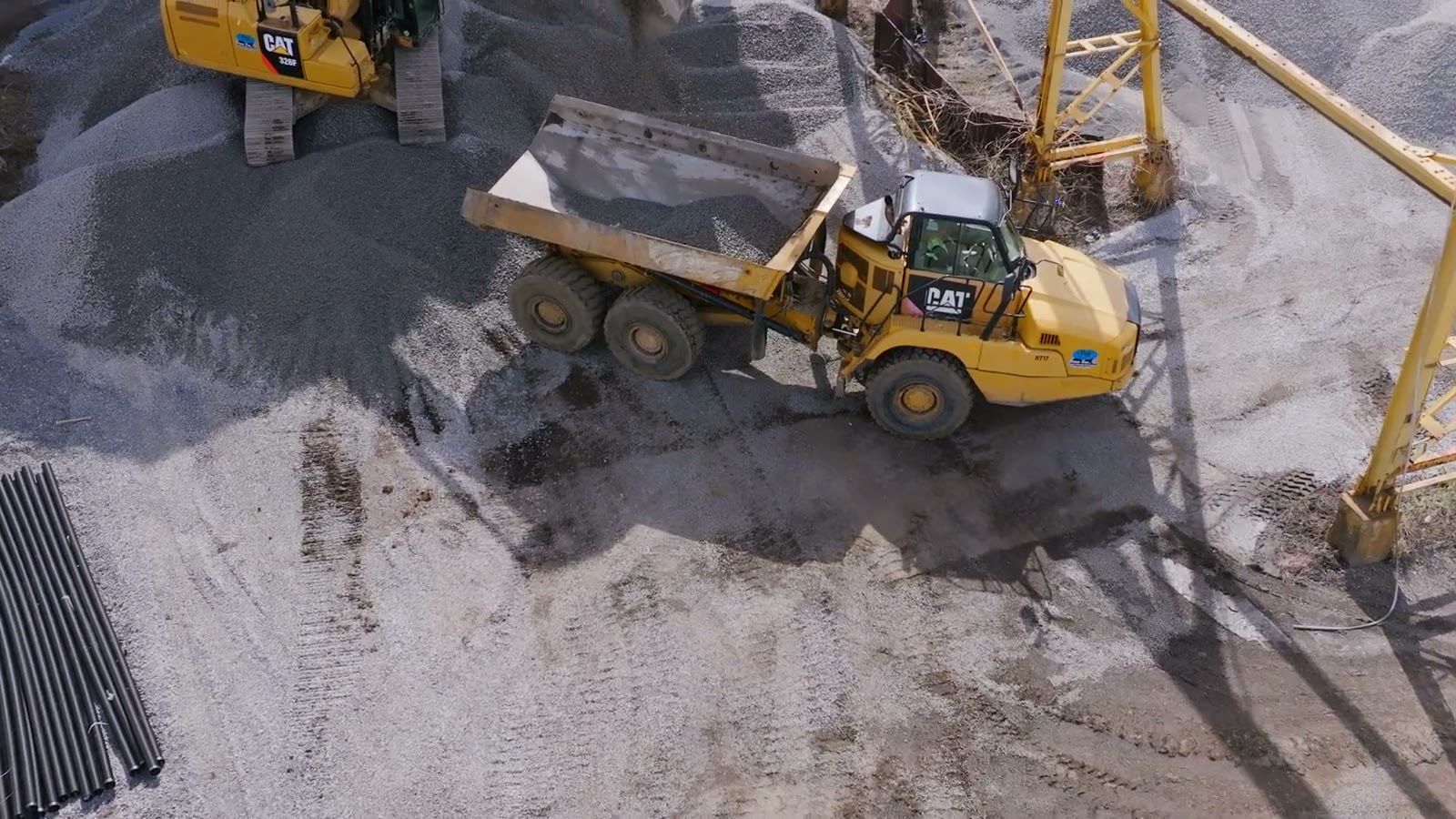
How much is the rise in steel costing us on project 4?See AI in construction

Why did line 2 stop twice last week?See AI in manufacturing

Which of tomorrow's appointments are at risk of a no‑show?See AI in healthcare

Which motor claims have come in since Friday and still have no assessment booked?See AI in insurance

Which mortgage applications have been waiting on documents for more than a week?See AI in banking
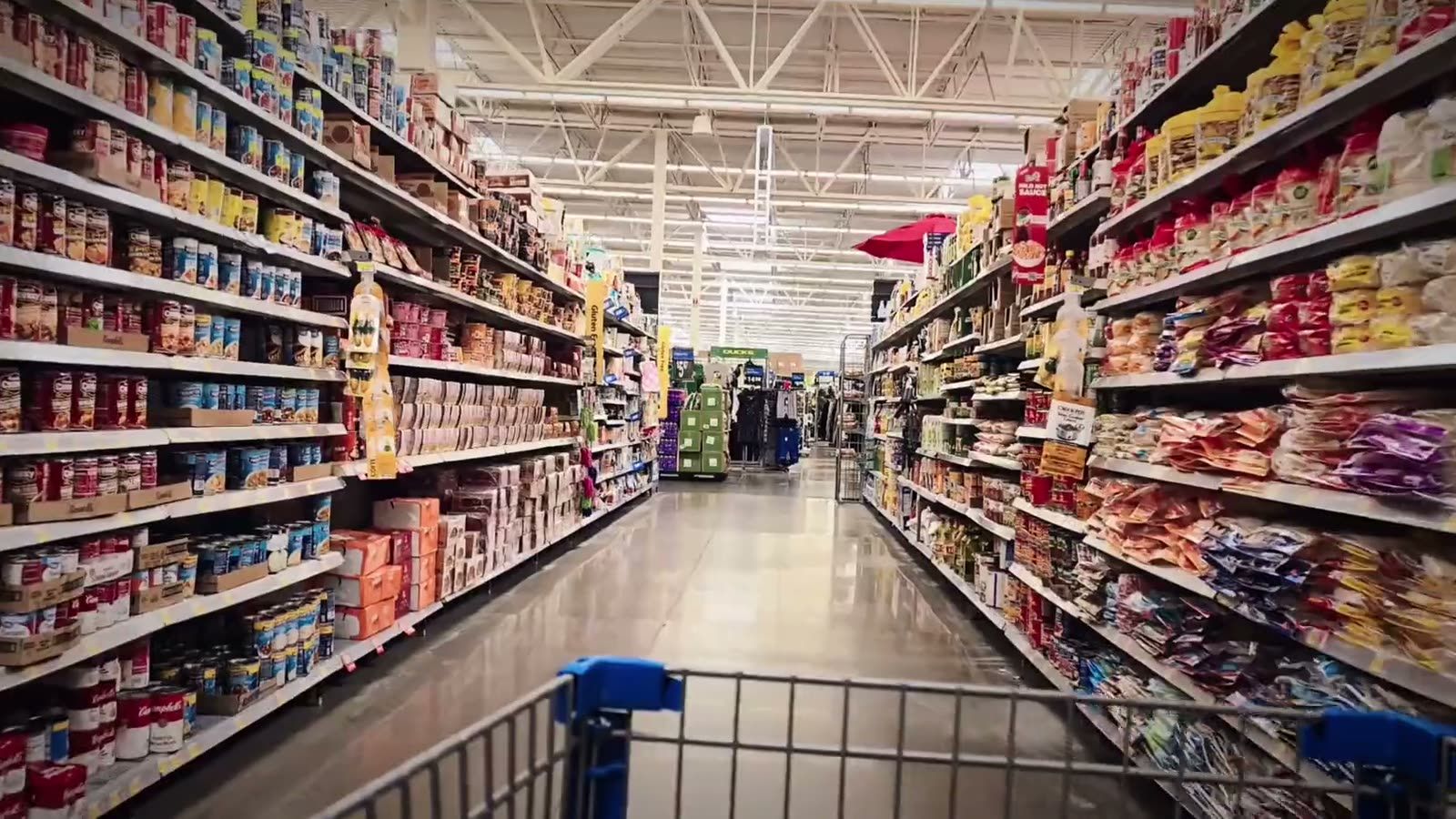
Which stores will run short during the promotion that starts on Thursday?See AI in retail

Which business customers have had more than two faults since August?See AI in telecoms

Which nights in the next six weeks are behind booking pace?See AI in hospitality

Who is more than 60 days behind on rent?See AI in real estate
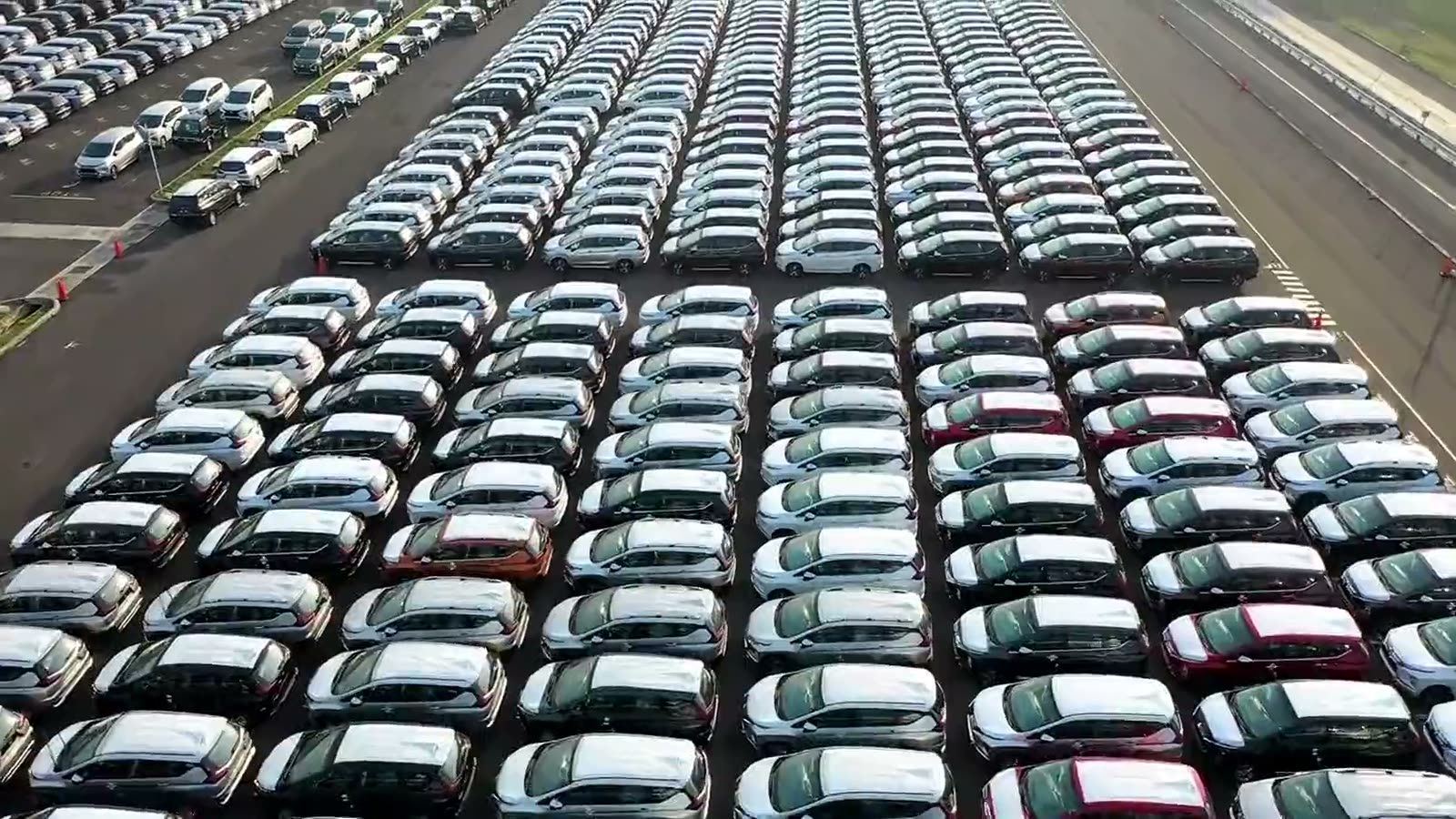
Which used cars have been in stock for more than 60 days?See AI in automotive

Which intercompany differences are still holding up the September close?See AI in holding companies

Which clients still haven't sent their September documents?See AI in professional services