
 Xcope agent
True cost per order
Machine hours, changeovers, scrap and energy added to each order and compared with its costing.

The MES and ERP you already have start explaining every stoppage and the true cost of every order.
The MES logs stoppages with its own codes and the maintenance software logs interventions with different ones. Hours and material use sit in the ERP, so the cost of each order ends up as an estimate and no stoppage is ever linked to the one before.
When the line stops, the operator logs what they can and gets it running again. Many stoppages end up as ‘other’, and the pattern that comes before the next breakdown never shows.
A rush order means reshuffling the plan for several lines in a spreadsheet, with no view of the effect on deliveries already promised.
Costings use standard times. Changeovers, scrap and the energy used by each batch are left out, and a small order can lose money without anyone noticing.
What did this customer's last order actually cost us?
Will this rush order fit into this week's plan?
Which machine is most likely to stop next?
Which line is seeing scrap go up?
Which critical spares are below minimum stock?
AI connects the MES, the ERP, the maintenance software and the sensors already in place to find the cause of each stoppage and redo the plan when a rush order comes in.
Machine hours, changeovers, scrap and energy added to each order and compared with its costing.
The plan redone with the new order in it, so you can give the customer a date the plant can meet.
Availability, performance and quality for each line, with the biggest source of loss flagged.
Certificates and measurements for each batch of raw material checked against the specification before it reaches production.
Illustrative figures.
We connect to the systems you already have, without replacing them, and you decide which data each agent can read.
ERP, CRM, email and documents stay where they are, and nobody has to move to a new system.
Brings together what is scattered today and finds what does not add up.
Every sensitive action goes to whoever has the authority to approve it.
Works inside your team's systems and records where every decision came from.
We use the records that already exist for that line, and move on to the others once shift supervisors are using the answers day to day.
We map the operation and the data and choose what reaches production first.
We build in the tools you already use and put the system to work on real cases.
Your team takes the system over and we choose the next process together.
To begin with, hardly ever. The MES, the maintenance records and the machine alarms already say a great deal. Vibration or temperature sensors only go in where a breakdown costs more than the sensor.
Yes, by whatever route each one allows: an API, read access to the database or scheduled exports, for example of works orders and downtime every hour. Nothing is written to the PLCs or the machine control systems.
We add up the machine and labour hours logged in the MES, the raw material used according to the ERP, the scrap recorded by quality and, where there are meters, the energy used by each line. The total is compared with the order's costing.
No. It reads what those systems already record, and the work orders it proposes are created in the maintenance software your team already uses.
On the call we look at the stoppage log for one line and tell you what can be learned from it.
Book a callWrite down the question your operation cannot answer today. We will reply by email with how to get there.
Question received. We will reply by email.
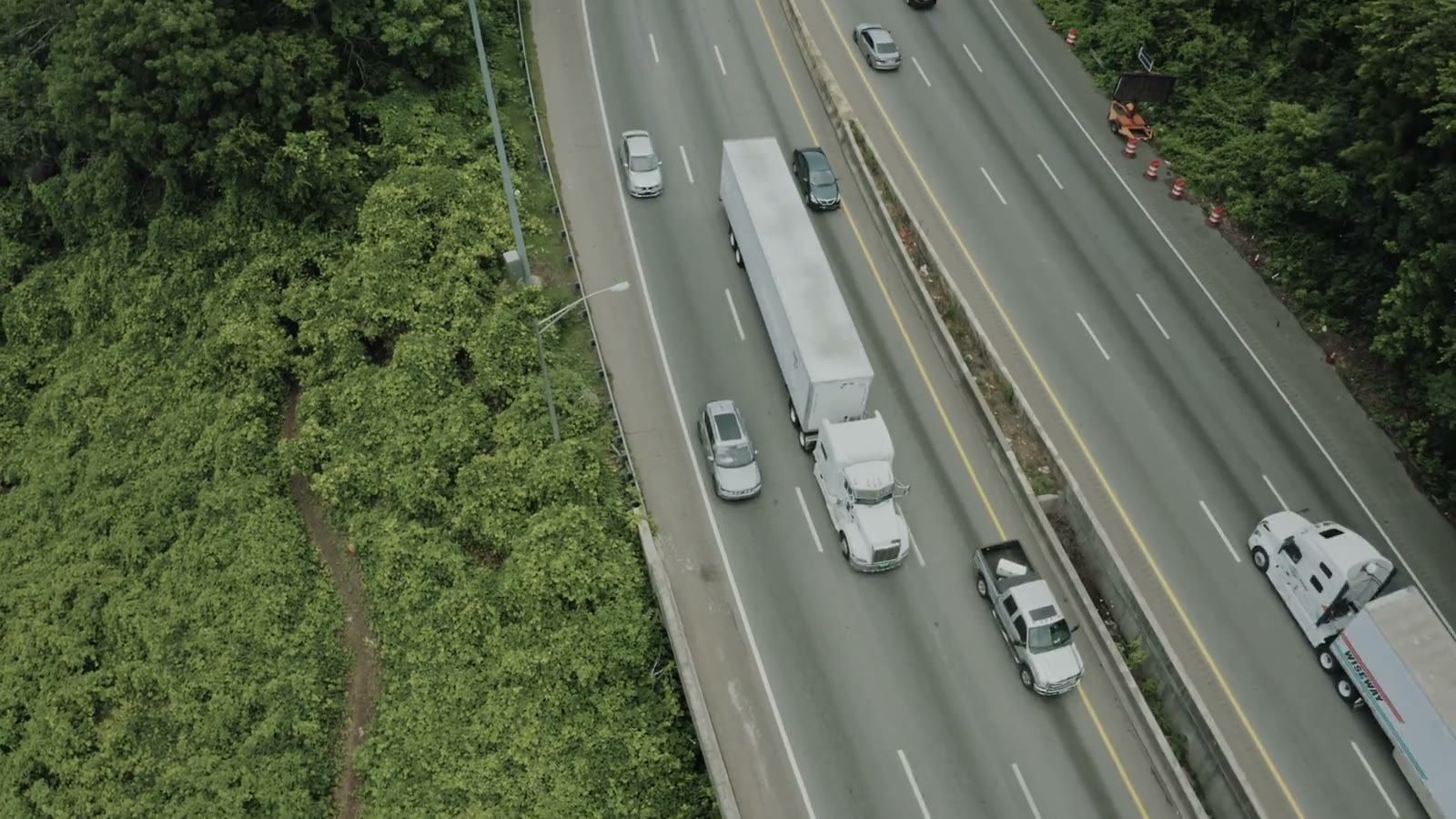
Why did margin on the Porto to Madrid route fall last week?See AI in logistics

Which sites will fall short of schedule tomorrow?See AI in energy
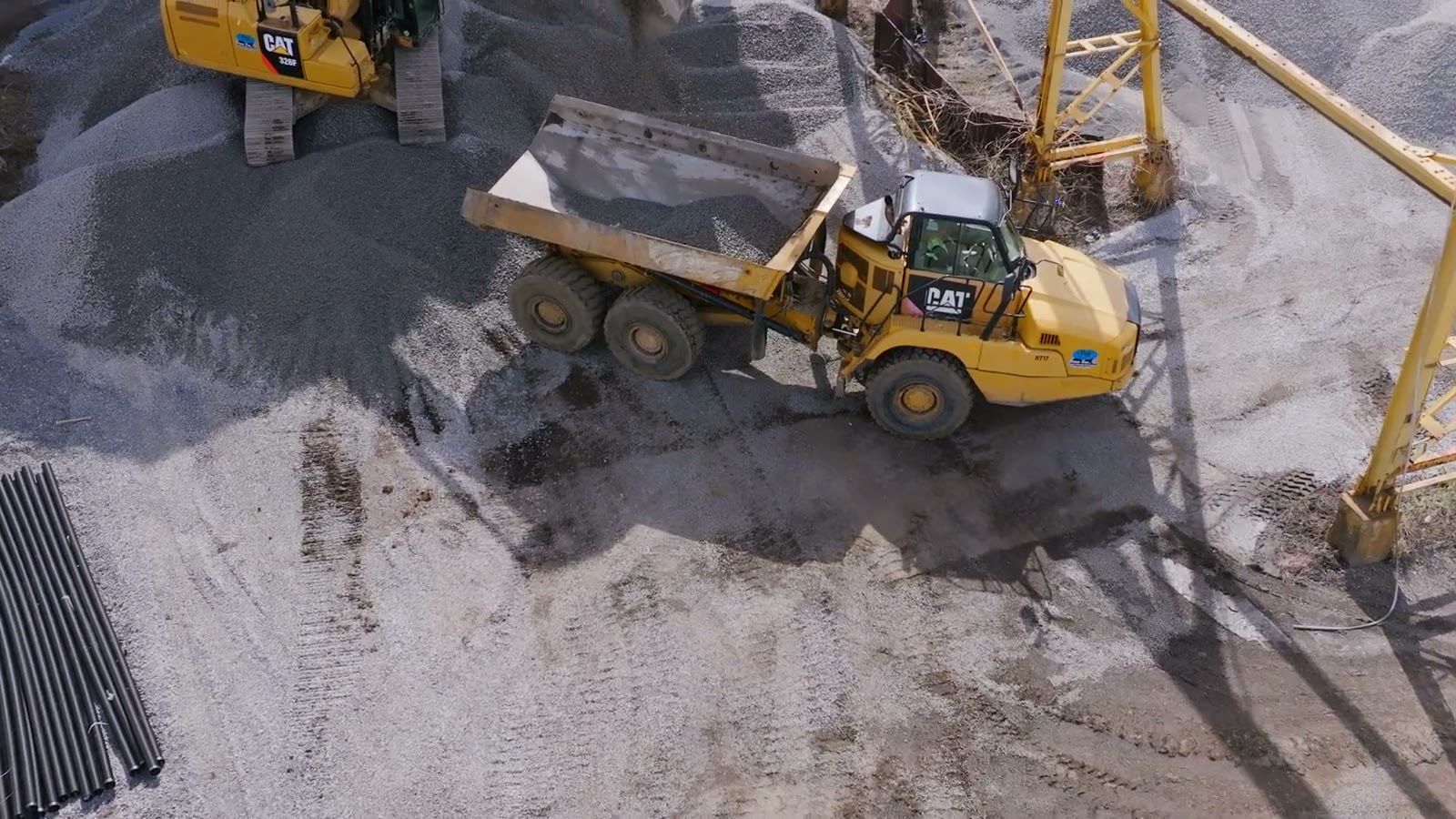
How much is the rise in steel costing us on project 4?See AI in construction

Which of tomorrow's appointments are at risk of a no‑show?See AI in healthcare

Which motor claims have come in since Friday and still have no assessment booked?See AI in insurance

Which mortgage applications have been waiting on documents for more than a week?See AI in banking

Which stores will run short during the promotion that starts on Thursday?See AI in retail

How much Reserva red do we still have to sell before the new vintage comes out?See AI in food and wine
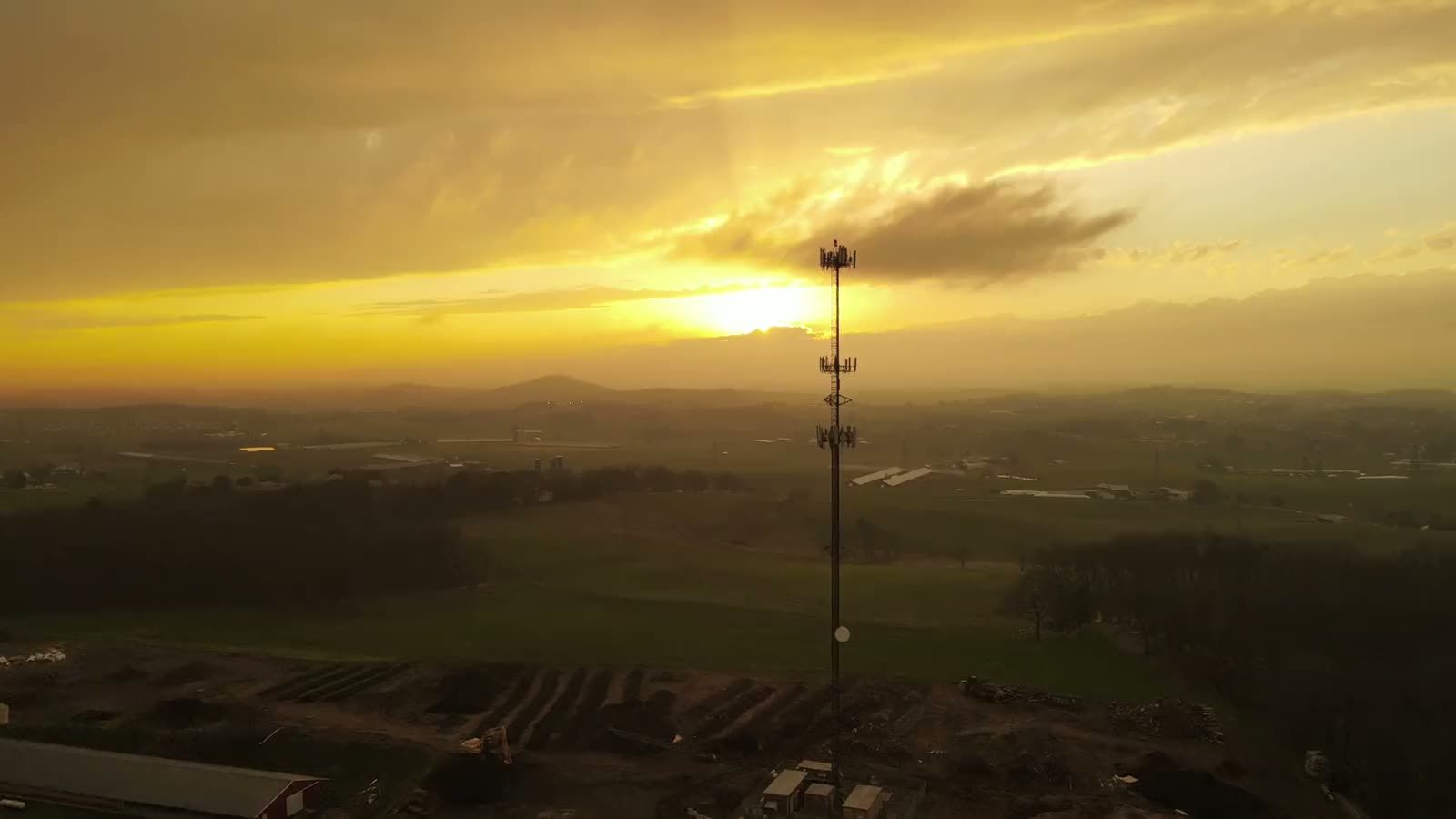
Which business customers have had more than two faults since August?See AI in telecoms

Which nights in the next six weeks are behind booking pace?See AI in hospitality

Who is more than 60 days behind on rent?See AI in real estate

Which used cars have been in stock for more than 60 days?See AI in automotive

Which intercompany differences are still holding up the September close?See AI in holding companies

Which clients still haven't sent their September documents?See AI in professional services